Författare
Abigail Williams
Abigail Williams är en uppskattad författare inom Skönlitteratur och Samhälle och politik med totalt 2 böcker tillgängliga på Bokkollen, utgivna hos Princeton University Press.
Bland verken finns Reading It Wrong, som toppar listan över Abigail Williamss populäraste böcker. Verken spänner över skönlitteratur och tilltalar läsare som uppskattar genren.
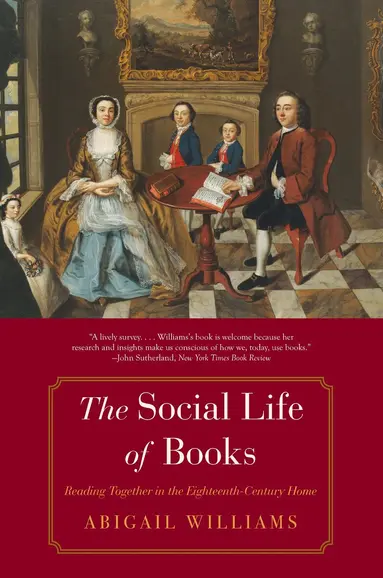
Letar du efter något nytt att läsa? Prova Social Life of Books – ett annat uppskattat verk av Abigail Williams.
På Bokkollen gör vi det enkelt att navigera i Abigail Williamss författarskap. Vår databas uppdateras ständigt med nya släpp och format, så oavsett om du söker efter en lättläst pocket för semestern, en lyxig inbunden presentutgåva eller en digital ljudbok för pendlingen, har vi rätt utgåva för dig.
Jämför snabbt och smidigt priser på alla böcker av Abigail Williams hos Sveriges ledande bokhandlare – som Adlibris, Bokus och Akademibokhandeln – och hitta alltid det bästa erbjudandet utan att betala för mycket.
Reading It Wrong
How eighteenth-century literature depended on misinterpretation-and how this still shapes the way we readReading It Wrong is a new history of eighteenth-century English literature that explores what has been everywhere evident but rarely talked about: the misunderstanding, muddle and confusion of readers of the past when they first met the uniquely elusive writings of the period. Abigail Williams uses the marginal marks and jottings of these readers to show that flawed interpretation has its own history-and its own important role to play-in understanding how, why and what we read.Focussing on the first half of the eighteenth century, the golden age of satire, Reading It Wrong tells how a combination of changing readerships and fantastically tricky literature created the perfect grounds for puzzlement and partial comprehension. Through the lens of a history of imperfect reading, we see that many of the period's major works-by writers including Daniel Defoe, Eliza Haywood, Mary Wortley Montagu, Alexander Pope and Jonathan Swift-both generated and depended upon widespread misreading. Being foxed by a satire, coded fiction or allegory was, like Wordle or the cryptic crossword, a form of entertainment, and perhaps a group sport. Rather than worrying that we don't have all the answers, we should instead recognize the cultural importance of not knowing.
Hela bibliografin
Utforska alla Abigail Williamss publicerade verk sorterade efter popularitet.
Upptäck liknande författare
Om du gillar Abigail Williams kommer du förmodligen att uppskatta även dessa författare inom skönlitteratur.
Boktips inom skönlitteratur
Vårens gåtfulla läsning: Dan Browns nya thriller
Upptäck Dan Browns senaste thriller, en gåtfull vårsaga fylld av hemligheter och snabba vändningar.
Påskläsning – Liken vi begravde, en gåtfull berättelse
Upptäck den gåtfulla skönlitteraturen i Liken vi begravde – en påskläsning om död, minne och försoning som berör djupt.
Mörka aprilkvällar blir heta med Hembiträdets hemlighet
När aprilregnet smattrar mot rutan blir Hembiträdets hemlighet en het, gåtfull följeslagare som håller dig vaken hela natten.
Mellan blomsterdoft och stjärnljus – en vårbok
Upptäck Malin Haawinds poetiska debut där vårens blommor möter natthimlens klarhet. En bok som glimmar av hopp och stjärnljus.