Författare
Ambrogio Camozzi Pistoja
Ambrogio Camozzi Pistoja är en uppskattad författare inom Skönlitteratur med totalt 1 bok tillgängliga på Bokkollen.
Bland verken finns Dante's Nonlinear Exemplarity, som toppar listan över Ambrogio Camozzi Pistojas populäraste böcker. Verken spänner över skönlitteratur och tilltalar läsare som uppskattar genren.
På Bokkollen gör vi det enkelt att navigera i Ambrogio Camozzi Pistojas författarskap. Vår databas uppdateras ständigt med nya släpp och format, så oavsett om du söker efter en lättläst pocket för semestern, en lyxig inbunden presentutgåva eller en digital ljudbok för pendlingen, har vi rätt utgåva för dig.
Jämför snabbt och smidigt priser på alla böcker av Ambrogio Camozzi Pistoja hos Sveriges ledande bokhandlare – som Adlibris, Bokus och Akademibokhandeln – och hitta alltid det bästa erbjudandet utan att betala för mycket.
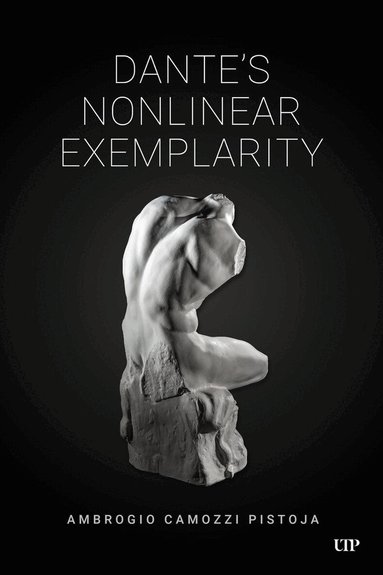
Dante's Nonlinear Exemplarity
Examples promise order: they clarify, they instruct, they normalize. Yet in Dante they often falter. Dante's Nonlinear Exemplarity follows these moments of didactic failure, when the mediation between the universal and the particular breaks down and the most ordinary of rhetorical tools raises doubts about the truths it is meant to secure.The book traces Dante's uses of examples across the major works of his maturity - De Vulgari Eloquentia, Banquet, Monarchia, and Comedy - through a single, revealing figure: Alexander the Great. One of only three historical characters to appear in all four texts, Alexander enters Dante's writing in exemplifications that begin conventionally, then veer off course. Read together, these moments form a through-line for Dante's evolving reflections on fame, wealth, power, pedagogy, and the instability of language itself.Combining philology, close reading, and cultural history, Dante's Nonlinear Exemplarity starts from these unstable examples to open up alternative ways of reading the works in which they appear. Each time, form and function pull apart, forcing Dante's readers to supply coherence themselves and exposing the assumptions they bring to the text. What emerges is a poetics of uncertainty that unsettles standard views of medieval didacticism and reframes how Dante's major works - and exemplarity itself before Boccaccio - organize and sustain meaning.
Hela bibliografin
Utforska alla Ambrogio Camozzi Pistojas publicerade verk sorterade efter popularitet.
Upptäck liknande författare
Om du gillar Ambrogio Camozzi Pistoja kommer du förmodligen att uppskatta även dessa författare inom skönlitteratur.
Boktips inom skönlitteratur
Vårens gåtfulla läsning: Dan Browns nya thriller
Upptäck Dan Browns senaste thriller, en gåtfull vårsaga fylld av hemligheter och snabba vändningar.
Påskläsning – Liken vi begravde, en gåtfull berättelse
Upptäck den gåtfulla skönlitteraturen i Liken vi begravde – en påskläsning om död, minne och försoning som berör djupt.
Mörka aprilkvällar blir heta med Hembiträdets hemlighet
När aprilregnet smattrar mot rutan blir Hembiträdets hemlighet en het, gåtfull följeslagare som håller dig vaken hela natten.
Mellan blomsterdoft och stjärnljus – en vårbok
Upptäck Malin Haawinds poetiska debut där vårens blommor möter natthimlens klarhet. En bok som glimmar av hopp och stjärnljus.