Författare
Boethius
Boethius är en uppskattad författare inom Filosofi och religion och Skönlitteratur med totalt 6 böcker tillgängliga på Bokkollen, utgivna hos Harvard University Press, OUP OXFORD, Bokförlaget Faethon.
Bland verken finns Consolation of Philosophy, som toppar listan över Boethiuss populäraste böcker. Verken spänner över skönlitteratur och tilltalar läsare som uppskattar genren.
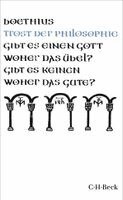
Det senast publicerade verket av Boethius är Filosofins tröst, utgivet 2025.
Letar du efter något nytt att läsa? Prova Consolation of Philosophy – ett annat uppskattat verk av Boethius.
På Bokkollen gör vi det enkelt att navigera i Boethiuss författarskap. Vår databas uppdateras ständigt med nya släpp och format, så oavsett om du söker efter en lättläst pocket för semestern, en lyxig inbunden presentutgåva eller en digital ljudbok för pendlingen, har vi rätt utgåva för dig.
Jämför snabbt och smidigt priser på alla böcker av Boethius hos Sveriges ledande bokhandlare – som Adlibris, Bokus och Akademibokhandeln – och hitta alltid det bästa erbjudandet utan att betala för mycket.
Consolation of Philosophy
In this highly praised new translation of Boethius's The Consolation of Philosophy, David R. Slavitt presents a graceful, accessible, and modern version for both longtime admirers of one of the great masterpieces of philosophical literature and those encountering it for the first time. Slavitt preserves the distinction between the alternating verse and prose sections in the Latin original, allowing us to appreciate the Menippian parallels between the discourses of literary and logical inquiry. His prose translations are lively and colloquial, conveying the argumentative, occasionally bantering tone of the original, while his verse translations restore the beauty and power of Boethius's poetry. The result is a major contribution to the art of translation. Those less familiar with Consolation may remember it was written under a death sentence. Boethius (c. 480-524), an Imperial official under Theodoric, Ostrogoth ruler of Rome, found himself, in a time of political paranoia, denounced, arrested, and then executed two years later without a trial. Composed while its author was imprisoned, cut off from family and friends, it remains one of Western literature's most eloquent meditations on the transitory nature of earthly belongings, and the superiority of things of the mind. In an artful combination of verse and prose, Slavitt captures the energy and passion of the original. And in an introduction intended for the general reader, Seth Lerer places Boethius's life and achievement in context.
Hela bibliografin
Utforska alla Boethiuss publicerade verk sorterade efter popularitet.
Upptäck liknande författare
Om du gillar Boethius kommer du förmodligen att uppskatta även dessa författare inom skönlitteratur.
Boktips inom skönlitteratur
Vårens gåtfulla läsning: Dan Browns nya thriller
Upptäck Dan Browns senaste thriller, en gåtfull vårsaga fylld av hemligheter och snabba vändningar.
Påskläsning – Liken vi begravde, en gåtfull berättelse
Upptäck den gåtfulla skönlitteraturen i Liken vi begravde – en påskläsning om död, minne och försoning som berör djupt.
Mörka aprilkvällar blir heta med Hembiträdets hemlighet
När aprilregnet smattrar mot rutan blir Hembiträdets hemlighet en het, gåtfull följeslagare som håller dig vaken hela natten.
Mellan blomsterdoft och stjärnljus – en vårbok
Upptäck Malin Haawinds poetiska debut där vårens blommor möter natthimlens klarhet. En bok som glimmar av hopp och stjärnljus.