Författare
Brenton D.G. Dickieson
Brenton D.G. Dickieson är en uppskattad författare inom Skönlitteratur med totalt 1 bok tillgängliga på Bokkollen.
Bland verken finns The Spiritual Imagination of C.S. Lewis, som toppar listan över Brenton D.G. Dickiesons populäraste böcker. Verken spänner över skönlitteratur och tilltalar läsare som uppskattar genren.
På Bokkollen gör vi det enkelt att navigera i Brenton D.G. Dickiesons författarskap. Vår databas uppdateras ständigt med nya släpp och format, så oavsett om du söker efter en lättläst pocket för semestern, en lyxig inbunden presentutgåva eller en digital ljudbok för pendlingen, har vi rätt utgåva för dig.
Jämför snabbt och smidigt priser på alla böcker av Brenton D.G. Dickieson hos Sveriges ledande bokhandlare – som Adlibris, Bokus och Akademibokhandeln – och hitta alltid det bästa erbjudandet utan att betala för mycket.
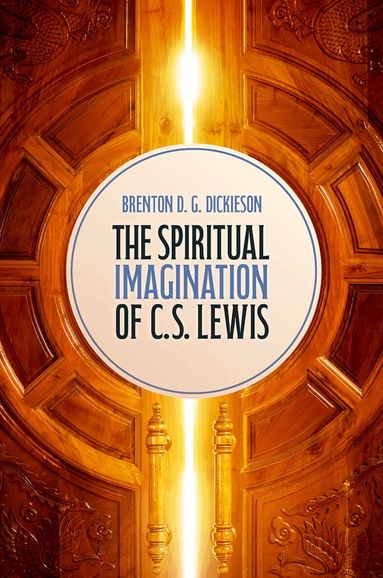
The Spiritual Imagination of C.S. Lewis
With book sales exceeding 200 million copies, a billion-dollar film industry, and a bookshelf of critical, philosophical, and popular works, C.S. Lewis is at once the beloved author of The Chronicles of Narnia and a leading twentieth-century English-speaking Christian public intellectual. Given the sheer diversity of Lewis's writing, what holds all this together? What is the beating heart of Lewis' work?Among C.S. Lewis scholars, there is near-unanimous agreement with British philosopher Owen Barfield's claim that, "what Lewis thought about everything was secretly present in what he said about anything." In The Spiritual Imagination of C.S. Lewis, Brenton D. G. Dickieson argues that what Lewis reveals throughout his writings is a cross-shaped, or cruciform, spirituality. As an instinctive and integrative writer of spiritual theology, Lewis believed that "death is at the root of the whole matter"--that God's self-surrender in Christ through death on a cross and subsequent resurrection is the normative pattern for a healthy spiritual life. This death-and-resurrection pattern unites Lewis's Christian thought and produces a hopeful and evocative spirituality that is embedded in his poetry and prose.By reconsidering him as a spiritual theologian, Dickieson uncovers a six-point "Logic of Cruciformity" in Lewis's apologetics that is embedded in narrative form throughout his other works. The shape of the cross is the shape of Lewis's spiritual theology. With the "upsidedownedness" of childlike wonder, Lewis reveals what Dickieson calls a "Theology of the Small," filled with "sacred paradoxes" and offering a hopeful, transformative invitation to spiritual life.
Hela bibliografin
Utforska alla Brenton D.G. Dickiesons publicerade verk sorterade efter popularitet.
Upptäck liknande författare
Om du gillar Brenton D.G. Dickieson kommer du förmodligen att uppskatta även dessa författare inom skönlitteratur.
Boktips inom skönlitteratur
Vårens gåtfulla läsning: Dan Browns nya thriller
Upptäck Dan Browns senaste thriller, en gåtfull vårsaga fylld av hemligheter och snabba vändningar.
Påskläsning – Liken vi begravde, en gåtfull berättelse
Upptäck den gåtfulla skönlitteraturen i Liken vi begravde – en påskläsning om död, minne och försoning som berör djupt.
Mörka aprilkvällar blir heta med Hembiträdets hemlighet
När aprilregnet smattrar mot rutan blir Hembiträdets hemlighet en het, gåtfull följeslagare som håller dig vaken hela natten.
Mellan blomsterdoft och stjärnljus – en vårbok
Upptäck Malin Haawinds poetiska debut där vårens blommor möter natthimlens klarhet. En bok som glimmar av hopp och stjärnljus.