Författare
Don Kilburg
Don Kilburg är en uppskattad författare inom Samhälle och politik med totalt 4 böcker tillgängliga på Bokkollen.
Bland verken finns AI Use Cases for Consular Affairs, som toppar listan över Don Kilburgs populäraste böcker. Verken spänner över samhälle & politik och tilltalar läsare som uppskattar genren.
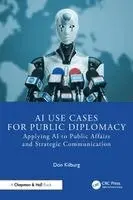
Letar du efter något nytt att läsa? Prova AI Use Cases for Public Diplomacy – ett annat uppskattat verk av Don Kilburg.
På Bokkollen gör vi det enkelt att navigera i Don Kilburgs författarskap. Vår databas uppdateras ständigt med nya släpp och format, så oavsett om du söker efter en lättläst pocket för semestern, en lyxig inbunden presentutgåva eller en digital ljudbok för pendlingen, har vi rätt utgåva för dig.
Jämför snabbt och smidigt priser på alla böcker av Don Kilburg hos Sveriges ledande bokhandlare – som Adlibris, Bokus och Akademibokhandeln – och hitta alltid det bästa erbjudandet utan att betala för mycket.

AI Use Cases for Consular Affairs
AI Use Cases for Consular Affairs explores applications for artificial intelligence (AI) across issues such as visas, passports, border security, disaster evacuation, and identity verification. It shows how AI can improve fairness, expand access, and return precious time to public servants, while confronting the risks and ethical dilemmas head-on. Drawing on more than sixty years of combined diplomatic experience-including the adjudication of tens of thousands of visas and leadership through crises, evacuations, and fraud investigations-retired U.S. Foreign Service Officers Dr. Don Kilburg and Virginia Blaser reveal how AI is reshaping global mobility-from biometric identity verification and fraud detection to crisis alerts, multilingual access, and workflow optimization. Every year, millions of people apply for visas, renew passports, flee disasters, or struggle to prove their identity across national lines. Behind each of these moments lies a hidden world of high-stakes consular decisions-made under immense pressure, with limited time and imperfect information. AI has the power to transform that world. This book is essential reading for public servants, policymakers, diplomats, state officials, and anyone working in consular affairs. But its lessons reach much further, to any institution now turning to AI. Used well, AI scales not by replacing human judgment but by protecting it. In the end, what earns AI a place in the systems we rely on is not raw power. It is fairness, accountability, and trust. AI deployment in consular affairs offers that guide on a global scale.
Hela bibliografin
Utforska alla Don Kilburgs publicerade verk sorterade efter popularitet.

Upptäck liknande författare
Om du gillar Don Kilburg kommer du förmodligen att uppskatta även dessa författare inom samhälle & politik.