Författare
Dwight Carey
Dwight Carey är en uppskattad författare inom Samhälle och politik med totalt 2 böcker tillgängliga på Bokkollen.
Bland verken finns Island of Bound Masters, som toppar listan över Dwight Careys populäraste böcker. Verken spänner över samhälle & politik och tilltalar läsare som uppskattar genren.
Letar du efter något nytt att läsa? Prova Island of Bound Masters – ett annat uppskattat verk av Dwight Carey.
På Bokkollen gör vi det enkelt att navigera i Dwight Careys författarskap. Vår databas uppdateras ständigt med nya släpp och format, så oavsett om du söker efter en lättläst pocket för semestern, en lyxig inbunden presentutgåva eller en digital ljudbok för pendlingen, har vi rätt utgåva för dig.
Jämför snabbt och smidigt priser på alla böcker av Dwight Carey hos Sveriges ledande bokhandlare – som Adlibris, Bokus och Akademibokhandeln – och hitta alltid det bästa erbjudandet utan att betala för mycket.
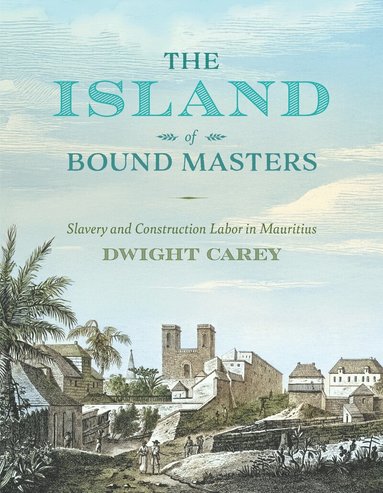
Island of Bound Masters
How enslaved workers provided the labor as well as the architectural expertise needed to build and sustain MauritiusUnlike most other sites of European colonialism, the Indian Ocean island of Mauritius had no indigenous population when the French set out to incorporate it into their imperial network. How, then, did its development differ from other colonial enterprises? And what lessons does that story hold? The Island of Bound Masters is an innovative and multifaceted history of the enslaved Africans and Indians who turned local basalt, coral, earth, and wood into economically viable built environments on Mauritius in the eighteenth and nineteenth centuries.Dwight Carey shows how the labor and the ecological building knowledge of enslaved workers from overseas transformed the island's terrestrial resources into functional domestic infrastructure and a commercial architecture that ensured the subsequent rise of a successful multicultural society. This groundbreaking book draws upon laboratory analyses of structural and ecological remnants, archival research, and insights from geological and botanical science. Its interdisciplinary approach captures the essence of the intangible heritage of Mauritius and reveals how the enslaved sustained life through the strength of their ecological knowledge and the force of their labor.
Hela bibliografin
Utforska alla Dwight Careys publicerade verk sorterade efter popularitet.
Upptäck liknande författare
Om du gillar Dwight Carey kommer du förmodligen att uppskatta även dessa författare inom samhälle & politik.