Författare
Emily Mayne
Emily Mayne är en uppskattad författare inom Skönlitteratur med totalt 2 böcker tillgängliga på Bokkollen.
Bland verken finns Locating Hercules, som toppar listan över Emily Maynes populäraste böcker. Verken spänner över skönlitteratur och tilltalar läsare som uppskattar genren.
Letar du efter något nytt att läsa? Prova Locating Hercules – ett annat uppskattat verk av Emily Mayne.
På Bokkollen gör vi det enkelt att navigera i Emily Maynes författarskap. Vår databas uppdateras ständigt med nya släpp och format, så oavsett om du söker efter en lättläst pocket för semestern, en lyxig inbunden presentutgåva eller en digital ljudbok för pendlingen, har vi rätt utgåva för dig.
Jämför snabbt och smidigt priser på alla böcker av Emily Mayne hos Sveriges ledande bokhandlare – som Adlibris, Bokus och Akademibokhandeln – och hitta alltid det bästa erbjudandet utan att betala för mycket.
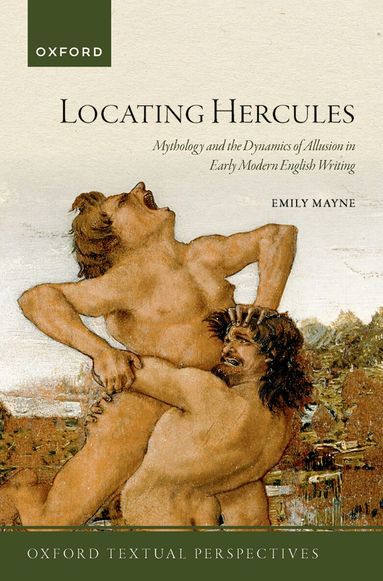
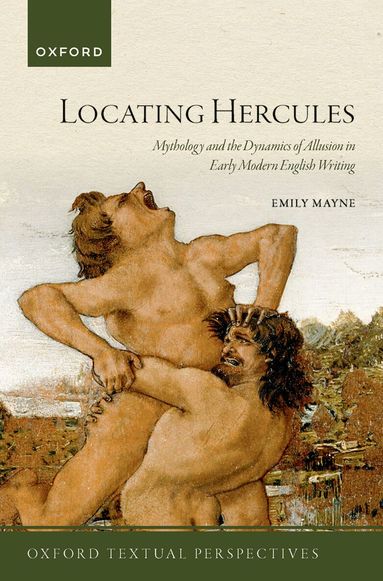
Locating Hercules
Locating Hercules is a study of the reception and significance of the hero-god Hercules in sixteenth-century England, and of the sources and poetics of classical mythology in English writing c. 1540-1600. Locating Hercules provides the first full account of the reception of Hercules in early modern England, and of the literary and cultural potentialities of this multi-dimensional figure, discussing a range of 'Herculeses' across genres and forms, including the works of Sidney, Spenser, and Shakespeare. The book provides a novel account of the early modern Hercules as a multiplex figure possessed of a range of overlapping and often contradictory generic, tonal, and geographical associations: potentially comic and/or tragic; hypermasculine and/or unmanned; part of British legendary history and/or peripheral to it. The book identifies for the first time a significant aspect of this Herculean plurality and its literary effects in a new set of texts: classical geographical writing. It shows that texts such as Strabo's Geography and Pausanias's Description of Greece circulated in early modern Britain and that these texts and their methods shape the use of classical mythology and figures in sixteenth-century literature. As such, the book reveals the distinctive status and importance of Hercules in early modern English culture and literature, and outlines a fresh way of reading mythological allusions more generally as flexible, topographically-informed elements within early modern writing.
Hela bibliografin
Utforska alla Emily Maynes publicerade verk sorterade efter popularitet.
Upptäck liknande författare
Om du gillar Emily Mayne kommer du förmodligen att uppskatta även dessa författare inom skönlitteratur.
Boktips inom skönlitteratur
Vårens gåtfulla läsning: Dan Browns nya thriller
Upptäck Dan Browns senaste thriller, en gåtfull vårsaga fylld av hemligheter och snabba vändningar.
Påskläsning – Liken vi begravde, en gåtfull berättelse
Upptäck den gåtfulla skönlitteraturen i Liken vi begravde – en påskläsning om död, minne och försoning som berör djupt.
Mörka aprilkvällar blir heta med Hembiträdets hemlighet
När aprilregnet smattrar mot rutan blir Hembiträdets hemlighet en het, gåtfull följeslagare som håller dig vaken hela natten.
Mellan blomsterdoft och stjärnljus – en vårbok
Upptäck Malin Haawinds poetiska debut där vårens blommor möter natthimlens klarhet. En bok som glimmar av hopp och stjärnljus.