Författare
Glenda Sluga
Glenda Sluga är en uppskattad författare inom Samhälle och politik och Historia och arkeologi med totalt 2 böcker tillgängliga på Bokkollen.
Bland verken finns Internationalism in the Age of Nationalism, som toppar listan över Glenda Slugas populäraste böcker. Verken spänner över samhälle & politik och tilltalar läsare som uppskattar genren.
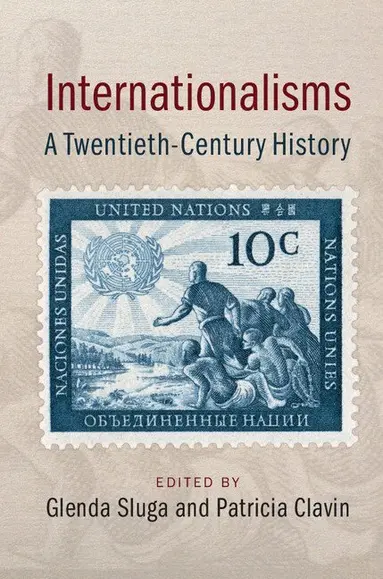
Letar du efter något nytt att läsa? Prova Internationalisms – ett annat uppskattat verk av Glenda Sluga.
På Bokkollen gör vi det enkelt att navigera i Glenda Slugas författarskap. Vår databas uppdateras ständigt med nya släpp och format, så oavsett om du söker efter en lättläst pocket för semestern, en lyxig inbunden presentutgåva eller en digital ljudbok för pendlingen, har vi rätt utgåva för dig.
Jämför snabbt och smidigt priser på alla böcker av Glenda Sluga hos Sveriges ledande bokhandlare – som Adlibris, Bokus och Akademibokhandeln – och hitta alltid det bästa erbjudandet utan att betala för mycket.
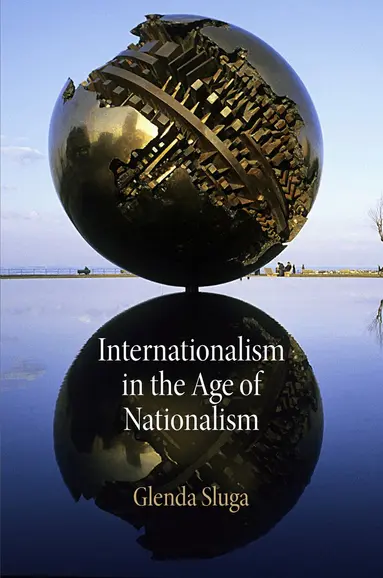
Internationalism in the Age of Nationalism
The twentieth century, a time of profound disillusionment with nationalism, was also the great age of internationalism. To the twenty-first-century historian, the period from the late nineteenth century until the end of the Cold War is distinctive for its nationalist preoccupations, while internationalism is often construed as the purview of ideologues and idealists, a remnant of Enlightenment-era narratives of the progress of humanity into a global community. Glenda Sluga argues to the contrary, that the concepts of nationalism and internationalism were very much entwined throughout the twentieth century and mutually shaped the attitudes toward interdependence and transnationalism that influence global politics in the present day.Internationalism in the Age of Nationalism traces the arc of internationalism through its rise before World War I, its apogee at the end of World War II, its reprise in the global seventies and the post-Cold War nineties, and its decline after 9/11. Drawing on original archival material and contemporary accounts, Sluga focuses on specific moments when visions of global community occupied the liberal political mainstream, often through the maneuvers of iconic organizations such as the League of Nations and the United Nations, which stood for the sovereignty of nation-states while creating the conditions under which marginalized colonial subjects and women could make their voices heard in an international arena. In this retelling of the history of the twentieth century, conceptions of sovereignty, community, and identity were the objects of trade and reinvention among diverse intellectual and social communities, and internationalism was imagined as the means of national independence and national rights, as well as the antidote to nationalism.This innovative history highlights the role of internationalism in the evolution of political, economic, social, and cultural modernity, and maps out a new way of thinking about the twentieth century.
Hela bibliografin
Utforska alla Glenda Slugas publicerade verk sorterade efter popularitet.
Upptäck liknande författare
Om du gillar Glenda Sluga kommer du förmodligen att uppskatta även dessa författare inom samhälle & politik.