Författare
Götz Aly
Götz Aly är en uppskattad författare inom Historia och arkeologi och Samhälle och politik med totalt 9 böcker tillgängliga på Bokkollen, utgivna hos Princeton University Press, Picador USA, Bokförlaget Daidalos.
Bland verken finns Architects of Annihilation: Auschwitz and the Logic of Destruction, som toppar listan över Götz Alys populäraste böcker. Verken spänner över historia & arkeologi och tilltalar läsare som uppskattar genren.
Det senast publicerade verket av Götz Aly är Wie konnte das geschehen? Deutschland 1933 bis 1945, utgivet 2025.
Letar du efter något nytt att läsa? Prova Hitlers Volksstaat – ett annat uppskattat verk av Götz Aly.
På Bokkollen gör vi det enkelt att navigera i Götz Alys författarskap. Vår databas uppdateras ständigt med nya släpp och format, så oavsett om du söker efter en lättläst pocket för semestern, en lyxig inbunden presentutgåva eller en digital ljudbok för pendlingen, har vi rätt utgåva för dig.
Jämför snabbt och smidigt priser på alla böcker av Götz Aly hos Sveriges ledande bokhandlare – som Adlibris, Bokus och Akademibokhandeln – och hitta alltid det bästa erbjudandet utan att betala för mycket.
Architects of Annihilation: Auschwitz and the Logic of Destruction
Two of Germany's most provocative investigative historians examine the frightening role of young educated careerists in building the Holocaust's ideological and material infrastructure. Moving from the waning Weimar Republic to Auschwitz's fully operating gas chambers, Architects of Annihilation shows how the unthinkable technocratic solutions to Germany's wartime problems were not only thought but spelled out and implemented. Documenting the eager participation of some of the country's best and brightest, it rejects interpretations that identify only Nazi leaders as the perpetrators of the Holocaust. For Hitler's thinkers--career-minded demographers, geographers, economists, civil servants, and academics in the Third Reich's think tanks and bureaucratic offices--Europe was a drawing board on which to work out their grand designs. They were encouraged to rationalize production methods, standardize products, introduce an international division of labor, and modernize and simplify social structures. Ultimately, their work on everything from food shortages to birth control led to the sinister plan to adjust the ratio between productive or unproductive population groups. The ideas of these ever more radical and ideologically aggressive technocrats culminated in proposals that--using carefully guarded scientific and academic euphemisms--advocated state-directed mass extermination as a necessary and logical component of social modernization. And, not well known outside of Germany, these thinkers proposed not only one final solution but serial genocides, planned in detail to be carried out over several decades. This groundbreaking and controversial account of Hitler's planners received widespread attention when it appeared in Germany. Now a masterful translation makes it available to an English-speaking audience for the first time.
Hela bibliografin
Utforska alla Götz Alys publicerade verk sorterade efter popularitet.
Architects of Annihilation: Auschwitz and the Logic of Destruction
Götz Aly
Från 503 kr
Hitler's Beneficiaries: Plunder, Racial War, and the Nazi Welfare State
Götz Aly
Från 327 kr
Europe Against the Jews, 1880-1945
Götz Aly
Från 198 kr
Europa mot judarna 1880-1945
Götz Aly
Från 258 kr
Hitlers Volksstaat
Götz Aly
Från 230 kr
Wie konnte das geschehen? Deutschland 1933 bis 1945
Götz Aly
Från 380 kr
Architects of Annihilation
Gotz Aly
Från 251 kr
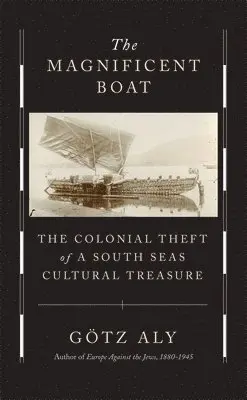
Magnificent Boat
Götz Aly
Från 349 kr
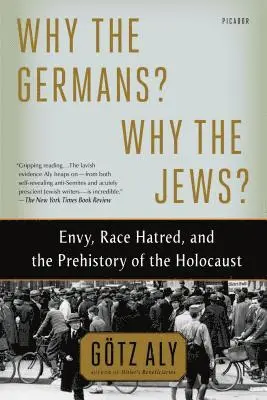
Why the Germans? Why the Jews?
Götz Aly
Från 249 kr
Upptäck liknande författare
Om du gillar Götz Aly kommer du förmodligen att uppskatta även dessa författare inom historia & arkeologi.