Författare
James Elkins
James Elkins är en uppskattad författare inom Samhälle och politik och Kultur med totalt 16 böcker tillgängliga på Bokkollen, utgivna hos Taylor & Francis Ltd, University of Illinois Press, Unnamed Press.
Bland verken finns State of Art Criticism, som toppar listan över James Elkinss populäraste böcker. Verken spänner över samhälle & politik och tilltalar läsare som uppskattar genren.
Det senast publicerade verket av James Elkins är Stories of Art, utgivet 2024.
Letar du efter något nytt att läsa? Prova What Happened to Art Criticism? – ett annat uppskattat verk av James Elkins.
På Bokkollen gör vi det enkelt att navigera i James Elkinss författarskap. Vår databas uppdateras ständigt med nya släpp och format, så oavsett om du söker efter en lättläst pocket för semestern, en lyxig inbunden presentutgåva eller en digital ljudbok för pendlingen, har vi rätt utgåva för dig.
Jämför snabbt och smidigt priser på alla böcker av James Elkins hos Sveriges ledande bokhandlare – som Adlibris, Bokus och Akademibokhandeln – och hitta alltid det bästa erbjudandet utan att betala för mycket.
State of Art Criticism
Art criticism is spurned by universities, but widely produced and read. It is seldom theorized and its history has hardly been investigated. The State of Art Criticism presents an international conversation among art historians and critics that considers the relation between criticism and art history and poses the question of whether criticism may become a university subject. Contributors include Dave Hickey, James Panero, Stephen Melville, Lynne Cook, Michael Newman, Whitney Davis, Irit Rogoff, Guy Brett and Boris Groys.
Hela bibliografin
Utforska alla James Elkinss publicerade verk sorterade efter popularitet.
State of Art Criticism
James Elkins
Från 579 kr
How to Use Your Eyes
James Elkins
Från 618 kr
Why Art Cannot Be Taught
James Elkins
Från 264 kr
Visual Studies
James Elkins
Från 549 kr
Weak in Comparison to Dreams
James Elkins
Från 348 kr
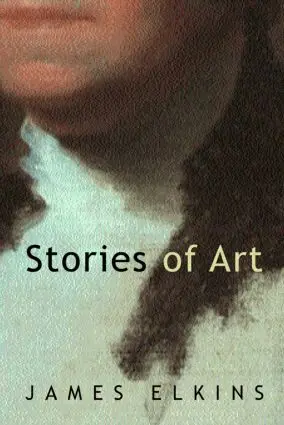
Stories of Art
James Elkins
Från 629 kr
Artists with PhDs
James Elkins
Från 352 kr
Pictures and Tears
James Elkins
Från 574 kr
What Happened to Art Criticism?
James Elkins
Från 118 kr
What is Interesting Writing in Art History?
James Elkins
Från 223 kr
What Photography Is
James Elkins
Från 589 kr
Why Are Our Pictures Puzzles?
James Elkins
Från 557 kr
Stories of Art
James Elkins
Från 547 kr
Pictures and Tears
James Elkins
Från 1 947 kr
Short Introduction to Anneliese
James Elkins
Från 399 kr
Stories, Like Illnesses
James Elkins
Från 459 kr
Upptäck liknande författare
Om du gillar James Elkins kommer du förmodligen att uppskatta även dessa författare inom samhälle & politik.