Författare
Kim Soom
Kim Soom är en uppskattad författare inom Skönlitteratur med totalt 1 bok tillgängliga på Bokkollen.
Bland verken finns One Left, som toppar listan över Kim Sooms populäraste böcker. Verken spänner över skönlitteratur och tilltalar läsare som uppskattar genren.
På Bokkollen gör vi det enkelt att navigera i Kim Sooms författarskap. Vår databas uppdateras ständigt med nya släpp och format, så oavsett om du söker efter en lättläst pocket för semestern, en lyxig inbunden presentutgåva eller en digital ljudbok för pendlingen, har vi rätt utgåva för dig.
Jämför snabbt och smidigt priser på alla böcker av Kim Soom hos Sveriges ledande bokhandlare – som Adlibris, Bokus och Akademibokhandeln – och hitta alltid det bästa erbjudandet utan att betala för mycket.
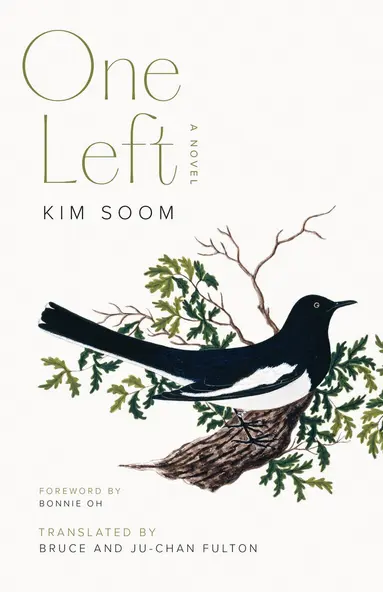
One Left
A powerful tale of trauma and endurance that transformed a nation's understanding of Korean comfort womenDuring the Pacific War, more than 200,000 Korean girls were forced into sexual servitude for Japanese soldiers. They lived in horrific conditions in "comfort stations" across Japanese-occupied territories. Barely 10 percent survived to return to Korea, where they lived as social outcasts. Since then, self-declared comfort women have come forward only to have their testimonies and calls for compensation largely denied by the Japanese government. Kim Soom tells the story of a woman who was kidnapped at the age of thirteen while gathering snails for her starving family. The horrors of her life as a sex slave follow her back to Korea, where she lives in isolation gripped by the fear that her past will be discovered. Yet, when she learns that the last known comfort woman is dying, she decides to tell her there will still be "one left" after her passing, and embarks on a painful journey. One Left is a provocative, extensively researched novel constructed from the testimonies of dozens of comfort women. The first Korean novel devoted to this subject, it rekindled conversations about comfort women as well as the violent legacies of Japanese colonialism. This first-ever English translation recovers the overlooked and disavowed stories of Korea's most marginalized women.
Hela bibliografin
Utforska alla Kim Sooms publicerade verk sorterade efter popularitet.
Upptäck liknande författare
Om du gillar Kim Soom kommer du förmodligen att uppskatta även dessa författare inom skönlitteratur.
Boktips inom skönlitteratur
Vårens gåtfulla läsning: Dan Browns nya thriller
Upptäck Dan Browns senaste thriller, en gåtfull vårsaga fylld av hemligheter och snabba vändningar.
Påskläsning – Liken vi begravde, en gåtfull berättelse
Upptäck den gåtfulla skönlitteraturen i Liken vi begravde – en påskläsning om död, minne och försoning som berör djupt.
Mörka aprilkvällar blir heta med Hembiträdets hemlighet
När aprilregnet smattrar mot rutan blir Hembiträdets hemlighet en het, gåtfull följeslagare som håller dig vaken hela natten.
Mellan blomsterdoft och stjärnljus – en vårbok
Upptäck Malin Haawinds poetiska debut där vårens blommor möter natthimlens klarhet. En bok som glimmar av hopp och stjärnljus.