Författare
Laura Kolbe
Laura Kolbe är en uppskattad författare inom Skönlitteratur med totalt 1 bok tillgängliga på Bokkollen.
Bland verken finns Decadent Movement, som toppar listan över Laura Kolbes populäraste böcker. Verken spänner över skönlitteratur och tilltalar läsare som uppskattar genren.
På Bokkollen gör vi det enkelt att navigera i Laura Kolbes författarskap. Vår databas uppdateras ständigt med nya släpp och format, så oavsett om du söker efter en lättläst pocket för semestern, en lyxig inbunden presentutgåva eller en digital ljudbok för pendlingen, har vi rätt utgåva för dig.
Jämför snabbt och smidigt priser på alla böcker av Laura Kolbe hos Sveriges ledande bokhandlare – som Adlibris, Bokus och Akademibokhandeln – och hitta alltid det bästa erbjudandet utan att betala för mycket.
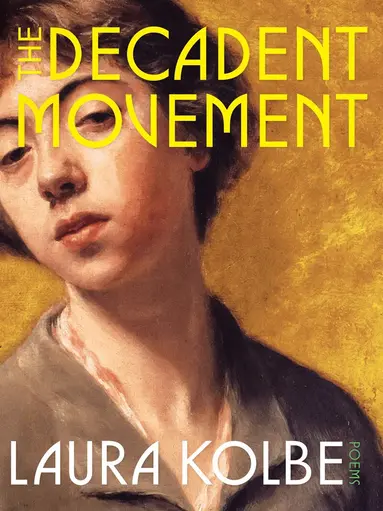
Decadent Movement
The Decadent Movement is a book-length suite of poems that spins backward in time through the early days of parenthood and the preceding nine months of pregnancy. Beginning a year after childbirth in the harried throes of marriage and parenting, the collection proceeds toward its finale "Minus Time," which marvels at death's near-identical twin - that infinite period of nonexistence that precedes each new life. From the opening poem "Afterword," each dated poem slides backward in time, with the poem "Hinge" at the manuscript's midpoint spoken from the moment of childbirth.This unraveling of a predicament by playing it in reverse - "Muybridged / out so anyone could see, framed, a woman / running for her life" - allows for rigorously honest accounting of mixed feelings about motherhood and its accompanying physical and psychic changes, detached from the readymade tropes of the "pregnancy plot."The Decadent Movement is a book about the fear of loss (of sexual personhood, bodily self-determination, the ability to write, and the license to be headlong and volatile). Yet it is also about the need to insist on new terms of engagement with those we love, new languages of willfulness and desire.
Hela bibliografin
Utforska alla Laura Kolbes publicerade verk sorterade efter popularitet.
Upptäck liknande författare
Om du gillar Laura Kolbe kommer du förmodligen att uppskatta även dessa författare inom skönlitteratur.
Boktips inom skönlitteratur
Vårens gåtfulla läsning: Dan Browns nya thriller
Upptäck Dan Browns senaste thriller, en gåtfull vårsaga fylld av hemligheter och snabba vändningar.
Påskläsning – Liken vi begravde, en gåtfull berättelse
Upptäck den gåtfulla skönlitteraturen i Liken vi begravde – en påskläsning om död, minne och försoning som berör djupt.
Mörka aprilkvällar blir heta med Hembiträdets hemlighet
När aprilregnet smattrar mot rutan blir Hembiträdets hemlighet en het, gåtfull följeslagare som håller dig vaken hela natten.
Mellan blomsterdoft och stjärnljus – en vårbok
Upptäck Malin Haawinds poetiska debut där vårens blommor möter natthimlens klarhet. En bok som glimmar av hopp och stjärnljus.