Författare
Loreta Tauginienė
Loreta Tauginienė är en uppskattad författare inom Samhälle och politik med totalt 2 böcker tillgängliga på Bokkollen.
Bland verken finns Artificial Intelligence and Social Technologies in Research Conduct, som toppar listan över Loreta Tauginienės populäraste böcker. Verken spänner över samhälle & politik och tilltalar läsare som uppskattar genren.
Letar du efter något nytt att läsa? Prova Artificial Intelligence and Social Technologies in Research Conduct – ett annat uppskattat verk av Loreta Tauginienė.
På Bokkollen gör vi det enkelt att navigera i Loreta Tauginienės författarskap. Vår databas uppdateras ständigt med nya släpp och format, så oavsett om du söker efter en lättläst pocket för semestern, en lyxig inbunden presentutgåva eller en digital ljudbok för pendlingen, har vi rätt utgåva för dig.
Jämför snabbt och smidigt priser på alla böcker av Loreta Tauginienė hos Sveriges ledande bokhandlare – som Adlibris, Bokus och Akademibokhandeln – och hitta alltid det bästa erbjudandet utan att betala för mycket.
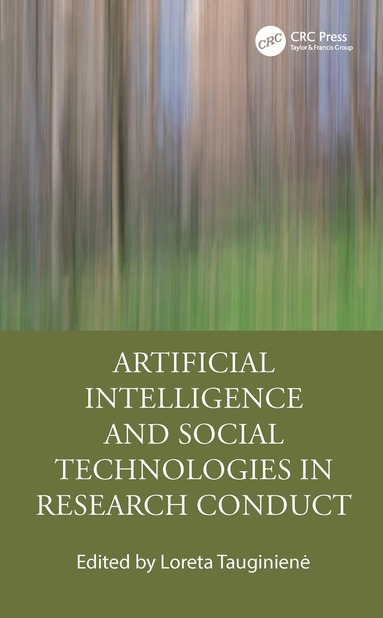
Artificial Intelligence and Social Technologies in Research Conduct
This book provides a comprehensive exploration of how artificial intelligence (AI) is reshaping responsible conduct of research and research governance, while calling for proactive, interdisciplinary frameworks to ensure its responsible and equitable use. It examines how AI, including digital communication technologies, is transforming the research landscape across disciplines, ranging from management and biomedical sciences to education and citizen science. It unfolds both the opportunities and challenges that arise when integrating AI tools into research, emphasizing ethical and legal issues, how AI transforms research workflows and ethical oversight while raising questions about the autonomy of researchers and research participants. This book also assesses a legal framework in the European Union, proposes governance and training perspectives to thrive in AI-augmented environments, and examines the role of Research Ethics Committees in adapting to AI-assisted methodologies. This book concludes by reflecting on the pedagogical implications of AI in student research, advocating for approaches that balance technological assistance with the preservation of critical thinking and research integrity, and presents multidimensional skills that clarify the concepts surrounding future skills.
Hela bibliografin
Utforska alla Loreta Tauginienės publicerade verk sorterade efter popularitet.
Upptäck liknande författare
Om du gillar Loreta Tauginienė kommer du förmodligen att uppskatta även dessa författare inom samhälle & politik.