Författare
Mark Paul Leone
Mark Paul Leone är en uppskattad författare inom Skönlitteratur med totalt 1 bok tillgängliga på Bokkollen.
Bland verken finns The Oxford Handbook of the Comparative Archaeology of Slavery, som toppar listan över Mark Paul Leones populäraste böcker. Verken spänner över skönlitteratur och tilltalar läsare som uppskattar genren.
På Bokkollen gör vi det enkelt att navigera i Mark Paul Leones författarskap. Vår databas uppdateras ständigt med nya släpp och format, så oavsett om du söker efter en lättläst pocket för semestern, en lyxig inbunden presentutgåva eller en digital ljudbok för pendlingen, har vi rätt utgåva för dig.
Jämför snabbt och smidigt priser på alla böcker av Mark Paul Leone hos Sveriges ledande bokhandlare – som Adlibris, Bokus och Akademibokhandeln – och hitta alltid det bästa erbjudandet utan att betala för mycket.
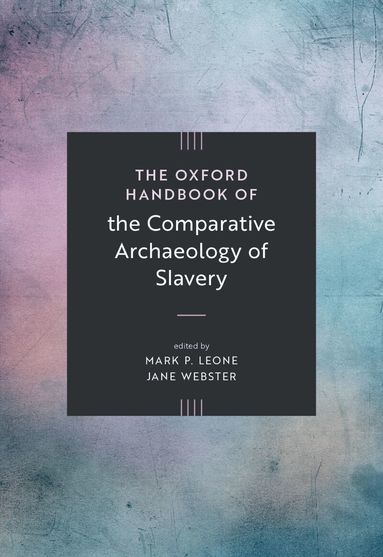
The Oxford Handbook of the Comparative Archaeology of Slavery
Across the globe today, hundreds of archaeologists are engaged in the study of slavery (now better known as enslavement) and its contemporary legacies. Many work collaboratively at times, either in the field or in the lab, but for the most part, these researchers tend to operate in sub-disciplinary silos whose parameters are defined both temporally and geographically: Ottoman Slavery, North American Slavery, Roman Slavery, and so on. The Oxford Handbook of the Comparative Archaeology of Slavery is an experiment in another way of working; its seventy-five expert contributors from across the globe have crossed the boundaries that define but can also constrain us, entering each other's worlds and asking what a comparative approach to enslavement in different times and in different places might offer the archaeological explorer. The contributors' dialogic, diachronic working practices have yielded a unique exploration of what was shared--and what was not--by different systems and practices of enslavement in the past. In turn, these findings cast new light on the experiences of slave owners; enslaved and freed people and their descendants; and on the archaeological analysis of slavery and its outcomes.
Hela bibliografin
Utforska alla Mark Paul Leones publicerade verk sorterade efter popularitet.
Upptäck liknande författare
Om du gillar Mark Paul Leone kommer du förmodligen att uppskatta även dessa författare inom skönlitteratur.
Boktips inom skönlitteratur
Vårens gåtfulla läsning: Dan Browns nya thriller
Upptäck Dan Browns senaste thriller, en gåtfull vårsaga fylld av hemligheter och snabba vändningar.
Påskläsning – Liken vi begravde, en gåtfull berättelse
Upptäck den gåtfulla skönlitteraturen i Liken vi begravde – en påskläsning om död, minne och försoning som berör djupt.
Mörka aprilkvällar blir heta med Hembiträdets hemlighet
När aprilregnet smattrar mot rutan blir Hembiträdets hemlighet en het, gåtfull följeslagare som håller dig vaken hela natten.
Mellan blomsterdoft och stjärnljus – en vårbok
Upptäck Malin Haawinds poetiska debut där vårens blommor möter natthimlens klarhet. En bok som glimmar av hopp och stjärnljus.