Författare
Mike Davis
Mike Davis är en uppskattad författare inom Samhälle och politik och Medicin med totalt 10 böcker tillgängliga på Bokkollen, utgivna hos Verso Books, Arkiv förlag/A-Z förlag, John Wiley and Sons Ltd.
Bland verken finns Old Gods, New Enigmas, som toppar listan över Mike Daviss populäraste böcker. Verken spänner över samhälle & politik och tilltalar läsare som uppskattar genren.
Det senast publicerade verket av Mike Davis är Old Gods, New Enigmas, utgivet 2025.
Letar du efter något nytt att läsa? Prova Planet of Slums – ett annat uppskattat verk av Mike Davis.
På Bokkollen gör vi det enkelt att navigera i Mike Daviss författarskap. Vår databas uppdateras ständigt med nya släpp och format, så oavsett om du söker efter en lättläst pocket för semestern, en lyxig inbunden presentutgåva eller en digital ljudbok för pendlingen, har vi rätt utgåva för dig.
Jämför snabbt och smidigt priser på alla böcker av Mike Davis hos Sveriges ledande bokhandlare – som Adlibris, Bokus och Akademibokhandeln – och hitta alltid det bästa erbjudandet utan att betala för mycket.
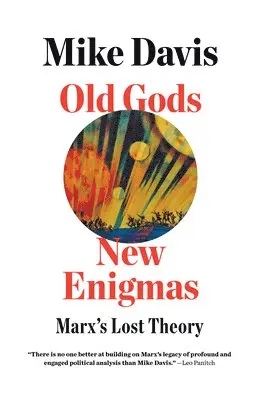
Old Gods, New Enigmas
Old Gods, New Enigmas is the highly-anticipated book by the best-selling author of City of Quartz and Planet of Slums. Mike Davis spent years working factory jobs and sitting behind the wheel of an eighteen wheeler before his profile as one of the world's leading urbanists emerged with the publication of his sober, if dystopian survey of Los Angeles. Since then, he's developed a reputation not only for his caustic analysis of ecological catastrophe and colonial history, but as a stylist without peer.Old Gods, New Enigmas is Davis's book-length engagement with Karl Marx, marking the 200th anniversary of Marx's birth and exploring Davis's thinking on history, labor, capitalism, and revolution - themes ever present the early work from this leading radical thinker. This will be his first book on Marxism itself.In a time of ubiquitous disgust with political and economic elites, explores the question of revolutionary agency-what social forces and conditions do we need to transform the current order?-and the situation of the world's working classes from the US to Europe to China. Even the most preliminary tasks are daunting. A new theory of revolution needs to return to the big issues in classical socialist thought, such as clarifying "proletarian agency", before turning to the urgent questions of our time: global warming, the social and economic gutting of the rustbelt, and the city's demographic eclipse of the countryside. What does revolution look like after the end of history?
Hela bibliografin
Utforska alla Mike Daviss publicerade verk sorterade efter popularitet.
Old Gods, New Enigmas
Mike Davis
Från 158 kr
Ecology of Fear
Mike Davis
Från 185 kr
City of Quartz
Mike Davis
Från 158 kr
Slum : världens storstäder
Mike Davis
Från 204 kr
How to Teach Continuing Medical Education
Mike Davis
Från 540 kr
Planet of Slums
Mike Davis
Från 131 kr
Late Victorian Holocausts
Mike Davis
Från 158 kr
Buda's Wagon
Mike Davis
Från 330 kr
Prisoners of the American Dream
Mike Davis
Från 153 kr
Old Gods, New Enigmas
Mike Davis
Från 158 kr
Upptäck liknande författare
Om du gillar Mike Davis kommer du förmodligen att uppskatta även dessa författare inom samhälle & politik.