Författare
Nicholas Carnes
Nicholas Carnes är en uppskattad författare inom Samhälle och politik med totalt 2 böcker tillgängliga på Bokkollen.
Bland verken finns Keeping Workers Off the Ballot, som toppar listan över Nicholas Carness populäraste böcker. Verken spänner över samhälle & politik och tilltalar läsare som uppskattar genren.
Letar du efter något nytt att läsa? Prova Keeping Workers Off the Ballot – ett annat uppskattat verk av Nicholas Carnes.
På Bokkollen gör vi det enkelt att navigera i Nicholas Carness författarskap. Vår databas uppdateras ständigt med nya släpp och format, så oavsett om du söker efter en lättläst pocket för semestern, en lyxig inbunden presentutgåva eller en digital ljudbok för pendlingen, har vi rätt utgåva för dig.
Jämför snabbt och smidigt priser på alla böcker av Nicholas Carnes hos Sveriges ledande bokhandlare – som Adlibris, Bokus och Akademibokhandeln – och hitta alltid det bästa erbjudandet utan att betala för mycket.
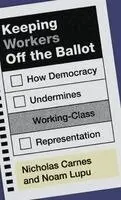
Keeping Workers Off the Ballot
Why the underrepresentation of the working class in political office is an inevitable side effect of electoral democracy itselfWhy do so few working-class people go on to hold elected office? In the average democracy, working-class jobs make up about seventy percent of occupations, but only two percent of national legislators come from working-class jobs. In Keeping Workers Off the Ballot, Nicholas Carnes and Noam Lupu show that this disparity is not because working-class people are less appealing to voters, less interested in running, or less qualified. And the problem isn't limited to certain countries, campaign finance regimes, or electoral systems. Carnes and Lupu argue that it is the nature of elections themselves that keep workers off our ballots and out of office.Carnes and Lupu point to two inherent features of elections that discourage working-class candidates throughout democracies across the globe. Running for office naturally involves taking on significant personal burdens-giving up time, energy, and certainty about the future-that are prohibitive to people in lower-wage, labor-intensive, and more precarious occupations such as manual laborer, retail clerk, and home health aide. Party gatekeepers in turn have strategic incentives to favor potential candidates who can more easily meet the demands of running, and as a result, they pass over qualified working-class people. Carnes and Lupu argue that workers won't have a seat at the table in our political system unless parties form institutionalized partnerships with strong worker organizations or democracies embrace alternative forms of leadership selection that directly harness the perspectives of ordinary citizens.
Hela bibliografin
Utforska alla Nicholas Carness publicerade verk sorterade efter popularitet.
Upptäck liknande författare
Om du gillar Nicholas Carnes kommer du förmodligen att uppskatta även dessa författare inom samhälle & politik.