Författare
Petr Kopecký
Petr Kopecký är en uppskattad författare inom Skönlitteratur med totalt 1 bok tillgängliga på Bokkollen.
Bland verken finns Environmental Justice in Ethnic American Literature, som toppar listan över Petr Kopeckýs populäraste böcker. Verken spänner över skönlitteratur och tilltalar läsare som uppskattar genren.
På Bokkollen gör vi det enkelt att navigera i Petr Kopeckýs författarskap. Vår databas uppdateras ständigt med nya släpp och format, så oavsett om du söker efter en lättläst pocket för semestern, en lyxig inbunden presentutgåva eller en digital ljudbok för pendlingen, har vi rätt utgåva för dig.
Jämför snabbt och smidigt priser på alla böcker av Petr Kopecký hos Sveriges ledande bokhandlare – som Adlibris, Bokus och Akademibokhandeln – och hitta alltid det bästa erbjudandet utan att betala för mycket.
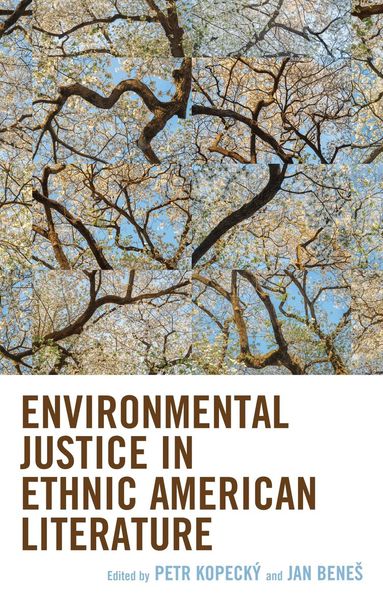
Environmental Justice in Ethnic American Literature
Environmental Justice in Ethnic American Literature focuses on a wide range of conceptions, depictions, and issues of environmental (in)justice found in African American, Latinx, Asian American, and American Indian literature to provide a panorama of ethnic peoples, regions, and cultures affected by disproportionate exposure to environmental hazards and racial discrimination, now exacerbated by the effects of climate change. Specifically, the volume highlights the capacity of literature and literary criticism to help uncover the causes and consequences of instances of environmental injustice and their impact. The chapters analyze a diverse selection of voices and texts, which underscore how the literary imagination of ethnic American writers captures, in contrast with official statistics, impersonal data and the reports compiled from them, the tangible and often inescapable problems of communities struggling against environmental racism. The issues addressed in the volume range from slow violence, transcorporeality, food and reproductive justice, to agrarianism, while utilizing theoretical lenses such as ecofeminist paradigms or innovative applications of ecolinguistic methods to poetry. Overall, the monograph brings to the fore a diversity of literary responses to environmental racism and calls for environmental justice.
Hela bibliografin
Utforska alla Petr Kopeckýs publicerade verk sorterade efter popularitet.
Upptäck liknande författare
Om du gillar Petr Kopecký kommer du förmodligen att uppskatta även dessa författare inom skönlitteratur.
Boktips inom skönlitteratur
Vårens gåtfulla läsning: Dan Browns nya thriller
Upptäck Dan Browns senaste thriller, en gåtfull vårsaga fylld av hemligheter och snabba vändningar.
Påskläsning – Liken vi begravde, en gåtfull berättelse
Upptäck den gåtfulla skönlitteraturen i Liken vi begravde – en påskläsning om död, minne och försoning som berör djupt.
Mörka aprilkvällar blir heta med Hembiträdets hemlighet
När aprilregnet smattrar mot rutan blir Hembiträdets hemlighet en het, gåtfull följeslagare som håller dig vaken hela natten.
Mellan blomsterdoft och stjärnljus – en vårbok
Upptäck Malin Haawinds poetiska debut där vårens blommor möter natthimlens klarhet. En bok som glimmar av hopp och stjärnljus.