Författare
Prema-chandra Athukorala
Prema-chandra Athukorala är en uppskattad författare inom Ekonomi och Ledarskap med totalt 1 bok tillgängliga på Bokkollen.
Bland verken finns GLOBAL PRODUCTION SHARING, INDUSTRIALISATION AND TRADE PATTERNS: LESSONS AND INSIGHTS FROM ASIA, som toppar listan över Prema-chandra Athukoralas populäraste böcker. Verken spänner över ekonomi & ledarskap och tilltalar läsare som uppskattar genren.
På Bokkollen gör vi det enkelt att navigera i Prema-chandra Athukoralas författarskap. Vår databas uppdateras ständigt med nya släpp och format, så oavsett om du söker efter en lättläst pocket för semestern, en lyxig inbunden presentutgåva eller en digital ljudbok för pendlingen, har vi rätt utgåva för dig.
Jämför snabbt och smidigt priser på alla böcker av Prema-chandra Athukorala hos Sveriges ledande bokhandlare – som Adlibris, Bokus och Akademibokhandeln – och hitta alltid det bästa erbjudandet utan att betala för mycket.
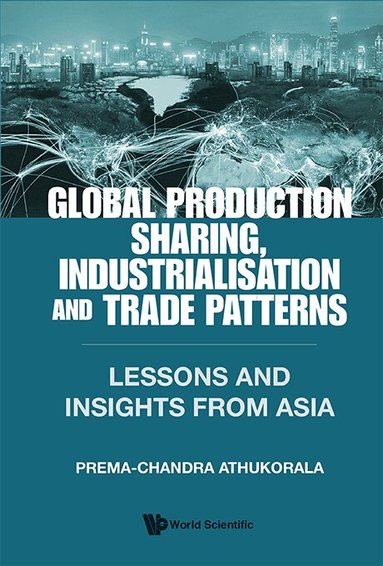
GLOBAL PRODUCTION SHARING, INDUSTRIALISATION AND TRADE PATTERNS: LESSONS AND INSIGHTS FROM ASIA
This book examines how developing economies integrate into global manufacturing value chains and the policy challenges associated with export-oriented industrialisation, drawing on the experiences of nine major Asian countries: China, India, Indonesia, Singapore, Malaysia, Thailand, Philippines, Vietnam and Sri Lanka. Together, these countries provide a rich analytical setting, reflecting wide diversity in development trajectories, policy regimes, and stages of integration into global production networks. The analysis of country experiences is framed within a clear and accessible overview of the concepts and processes of global production sharing and the key policy issues it raises.Although global value chains are widely acknowledged as a central feature of contemporary globalisation, their role in fostering sustained industrialisation and technological upgrading in developing countries remains imperfectly understood. This book addresses that gap through systematic empirical analysis, drawing on previously unexplored or underutilised data sources. The findings offer practical insights for policymakers seeking to leverage global manufacturing networks to support export diversification, industrial deepening, and long-term development.
Hela bibliografin
Utforska alla Prema-chandra Athukoralas publicerade verk sorterade efter popularitet.
Upptäck liknande författare
Om du gillar Prema-chandra Athukorala kommer du förmodligen att uppskatta även dessa författare inom ekonomi & ledarskap.