Författare
Ravi Gupta
Ravi Gupta är en uppskattad författare inom Psykologi och pedagogik och Medicin med totalt 6 böcker tillgängliga på Bokkollen, utgivna hos Apple Academic Press Inc., Columbia University Press.
Bland verken finns Clinical Atlas of Polysomnography, som toppar listan över Ravi Guptas populäraste böcker. Verken spänner över medicin och tilltalar läsare som uppskattar genren.
Letar du efter något nytt att läsa? Prova The Invisible List: One Passion a Year, Every Year – ett annat uppskattat verk av Ravi Gupta.
På Bokkollen gör vi det enkelt att navigera i Ravi Guptas författarskap. Vår databas uppdateras ständigt med nya släpp och format, så oavsett om du söker efter en lättläst pocket för semestern, en lyxig inbunden presentutgåva eller en digital ljudbok för pendlingen, har vi rätt utgåva för dig.
Jämför snabbt och smidigt priser på alla böcker av Ravi Gupta hos Sveriges ledande bokhandlare – som Adlibris, Bokus och Akademibokhandeln – och hitta alltid det bästa erbjudandet utan att betala för mycket.
Clinical Atlas of Polysomnography
Written for sleep technologists, Clinical Atlas of Polysomnography provides basic information regarding normal sleep, sleep disorders, and electrophysiology that is outside of the scope of the AASM manual (AASM Manual for the Scoring of Sleep and Associated Events). It aims to act as a guide through the fundamental aspects of, for example, types of overnight sleep study, establishing a sleep laboratory, preparing the patient for a sleep evaluation study, placement of electrodes and leads, and the scientific aspects of such placement, i.e., why they are placed at that particular position. This information will be very useful in those parts of the globe where formal training in sleep technology is not yet available. Many further chapters focus on depicting real-time illustrations of sleep data as captured in the sleep laboratory and the scoring of recording data. Information regarding common montages, artifacts, and troubleshooting in the sleep laboratory will facilitate the reader's journey as a trainee sleep technologist. While scoring sleep recordings, the "When you score the data" histogram can provide a great deal of useful information, and this has been explained in detail in this book. Most importantly, it is prudent to be able to write reports that are both informative and easy to understand by physicians who do not have advanced knowledge of sleep medicine. A chapter has been dedicated to explaining this in detail. Lastly, the authors have provided ready-made forms, questionnaires, and documents that can either be used as they are or with some modifications.This up-to-date and comprehensive volume will be an invaluable guide for technicians and physicians who wish to practice sleep medicine and will be useful for sleep technology and physician training programs. The volume is intended to complement, not be a substitute for, the AASM scoring manual, as many areas that are covered in the manual are not covered here.
Hela bibliografin
Utforska alla Ravi Guptas publicerade verk sorterade efter popularitet.
Clinical Atlas of Polysomnography
Ravi Gupta
Från 1 135 kr
Bhāgavata Purāna
Ravi Gupta
Från 308 kr

Nitric Oxide in Plant Resilience to Abiotic Stress
Ravi Gupta
Från 2 429 kr
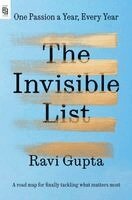
The Invisible List: One Passion a Year, Every Year
Ravi Gupta
Från 279 kr
The Invisible List
Ravi Gupta
Från 439 kr
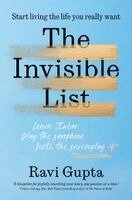
Invisible List
Ravi Gupta
Från 279 kr
Upptäck liknande författare
Om du gillar Ravi Gupta kommer du förmodligen att uppskatta även dessa författare inom medicin.