Författare
Richard Ruppel
Richard Ruppel är en uppskattad författare inom Skönlitteratur med totalt 1 bok tillgängliga på Bokkollen.
Bland verken finns Cognitive Conrad, som toppar listan över Richard Ruppels populäraste böcker. Verken spänner över skönlitteratur och tilltalar läsare som uppskattar genren.
På Bokkollen gör vi det enkelt att navigera i Richard Ruppels författarskap. Vår databas uppdateras ständigt med nya släpp och format, så oavsett om du söker efter en lättläst pocket för semestern, en lyxig inbunden presentutgåva eller en digital ljudbok för pendlingen, har vi rätt utgåva för dig.
Jämför snabbt och smidigt priser på alla böcker av Richard Ruppel hos Sveriges ledande bokhandlare – som Adlibris, Bokus och Akademibokhandeln – och hitta alltid det bästa erbjudandet utan att betala för mycket.
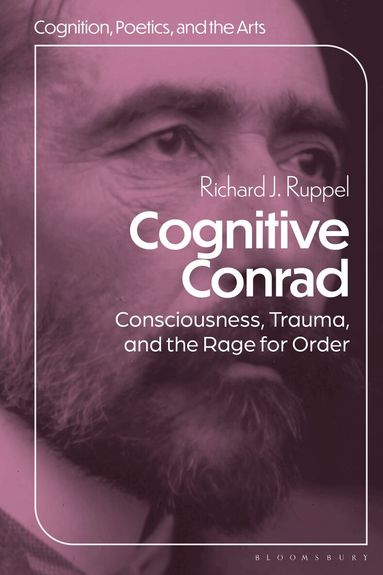
Cognitive Conrad
Uncovers how Joseph Conrad's narratives reflect the cognitive studies of his day but also anticipate our own contemporary understandings of consciousness, trauma, and the human need for order. Cognitive Conrad demonstrates the interpretive power of cognitive literary studies and historicism in the most important works of Joseph Conrad. It highlights how Conrad's fiction reflects the complexities of human consciousness, trauma, and the relentless human drive to impose a coherent form on a world that, ultimately, lacks any dependable order independent of individual, human constructions. Through a detailed examination of Conrad's characters and their psychological landscapes - in a wide range of fiction, such as Lord Jim, Under Western Eyes, and various short stories - Richard J. Ruppel reveals how the novelist anticipated modern cognitive theories and the science of trauma. He also discusses the profound connections between Conrad's fiction and the work of 19th-century scientists like Hermann Helmholtz, who influenced Conrad's portrayal of perception and consciousness. Cognitive Conrad asserts the power of the arts and humanities to supplement and correct the sciences, which most often look to generalize and categorize. It argues that one key role of the arts - often articulated poignantly in Conrad's greatest work - is to highlight the anomalous, to champion the peculiar.
Hela bibliografin
Utforska alla Richard Ruppels publicerade verk sorterade efter popularitet.
Upptäck liknande författare
Om du gillar Richard Ruppel kommer du förmodligen att uppskatta även dessa författare inom skönlitteratur.
Boktips inom skönlitteratur
Vårens gåtfulla läsning: Dan Browns nya thriller
Upptäck Dan Browns senaste thriller, en gåtfull vårsaga fylld av hemligheter och snabba vändningar.
Påskläsning – Liken vi begravde, en gåtfull berättelse
Upptäck den gåtfulla skönlitteraturen i Liken vi begravde – en påskläsning om död, minne och försoning som berör djupt.
Mörka aprilkvällar blir heta med Hembiträdets hemlighet
När aprilregnet smattrar mot rutan blir Hembiträdets hemlighet en het, gåtfull följeslagare som håller dig vaken hela natten.
Mellan blomsterdoft och stjärnljus – en vårbok
Upptäck Malin Haawinds poetiska debut där vårens blommor möter natthimlens klarhet. En bok som glimmar av hopp och stjärnljus.