Författare
Robert M. Citino
Robert M. Citino är en uppskattad författare inom Samhälle och politik och Historia och arkeologi med totalt 5 böcker tillgängliga på Bokkollen, utgivna hos University Press of Kansas.
Bland verken finns Wehrmacht's Last Stand, som toppar listan över Robert M. Citinos populäraste böcker. Verken spänner över samhälle & politik och tilltalar läsare som uppskattar genren.
Letar du efter något nytt att läsa? Prova Wehrmacht Retreats – ett annat uppskattat verk av Robert M. Citino.
På Bokkollen gör vi det enkelt att navigera i Robert M. Citinos författarskap. Vår databas uppdateras ständigt med nya släpp och format, så oavsett om du söker efter en lättläst pocket för semestern, en lyxig inbunden presentutgåva eller en digital ljudbok för pendlingen, har vi rätt utgåva för dig.
Jämför snabbt och smidigt priser på alla böcker av Robert M. Citino hos Sveriges ledande bokhandlare – som Adlibris, Bokus och Akademibokhandeln – och hitta alltid det bästa erbjudandet utan att betala för mycket.
Wehrmacht's Last Stand
By 1943, the war was lost, and most German officers knew it. Three quarters of a century later, the question persists: What kept the German army going in an increasingly hopeless situation? Where some historians have found explanations in the power of Hitler or the role of ideology, Robert M. Citino, the world's leading scholar on the subject, posits a more straightforward solution: Bewegungskrieg, the way of war cultivated by the Germans over the course of history. In this gripping account of German military campaigns during the final phase of World War II, Citino charts the inevitable path by which Bewegungskrieg, or a "war of movement," inexorably led to Nazi Germany's defeat.The Wehrmacht's Last Stand analyzes the German Totenritt, or "death ride," from January 1944-with simultaneous Allied offensives at Anzio and Ukraine-until May 1945, the collapse of the Wehrmacht in the field, and the Soviet storming of Berlin. In clear and compelling prose, and bringing extensive reading of the German-language literature to bear, Citino focuses on the German view of these campaigns. Often very different from the Allied perspective, this approach allows for a more nuanced and far-reaching understanding of the last battles of the Wehrmacht than any now available. With Citino's previous volumes, Death of the Wehrmacht and The Wehrmacht Retreats, The Wehrmacht's Last Stand completes a uniquely comprehensive picture of the German army's strategy, operations, and performance against the Allies in World War II.
Hela bibliografin
Utforska alla Robert M. Citinos publicerade verk sorterade efter popularitet.
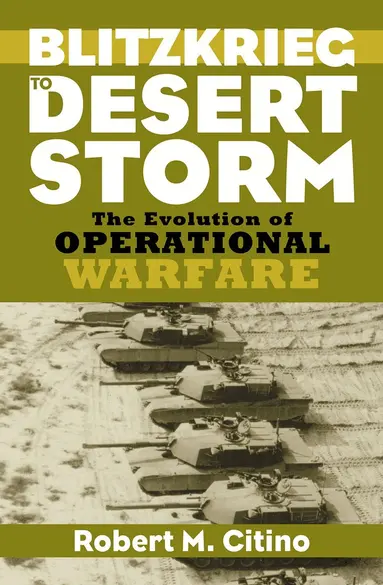
Upptäck liknande författare
Om du gillar Robert M. Citino kommer du förmodligen att uppskatta även dessa författare inom samhälle & politik.