Författare
Roopika Risam
Roopika Risam är en uppskattad författare inom Skönlitteratur och Naturvetenskap och teknik med totalt 3 böcker tillgängliga på Bokkollen, utgivna hos Northwestern University Press.
Bland verken finns New Digital Worlds, som toppar listan över Roopika Risams populäraste böcker. Verken spänner över skönlitteratur och tilltalar läsare som uppskattar genren.
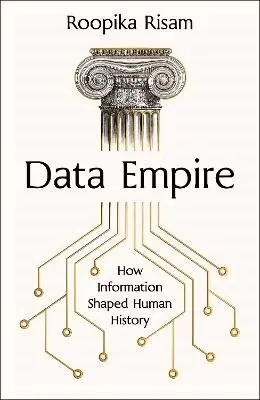
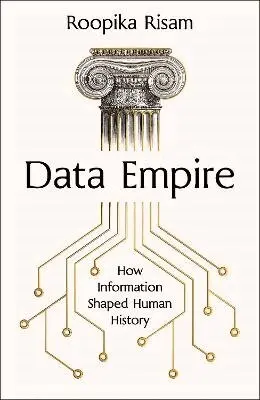
Letar du efter något nytt att läsa? Prova Data Empire – ett annat uppskattat verk av Roopika Risam.
På Bokkollen gör vi det enkelt att navigera i Roopika Risams författarskap. Vår databas uppdateras ständigt med nya släpp och format, så oavsett om du söker efter en lättläst pocket för semestern, en lyxig inbunden presentutgåva eller en digital ljudbok för pendlingen, har vi rätt utgåva för dig.
Jämför snabbt och smidigt priser på alla böcker av Roopika Risam hos Sveriges ledande bokhandlare – som Adlibris, Bokus och Akademibokhandeln – och hitta alltid det bästa erbjudandet utan att betala för mycket.
New Digital Worlds
The emergence of digital humanities has been heralded for its commitment to openness, access, and the democratizing of knowledge, but it raises a number of questions about omissions with respect to race, gender, sexuality, disability, and nation. Postcolonial digital humanities is one approach to uncovering and remedying inequalities in digital knowledge production, which is implicated in an information-age politics of knowledge.New Digital Worlds traces the formation of postcolonial studies and digital humanities as fields, identifying how they can intervene in knowledge production in the digital age. Roopika Risam examines the role of colonial violence in the development of digital archives and the possibilities of postcolonial digital archives for resisting this violence. Offering a reading of the colonialist dimensions of global organizations for digital humanities research, she explores efforts to decenter these institutions by emphasizing the local practices that subtend global formations and pedagogical approaches that support this decentering. Last, Risam attends to human futures in new digital worlds, evaluating both how algorithms and natural language processing software used in digital humanities projects produce universalist notions of the "human" and also how to resist this phenomenon.
Hela bibliografin
Utforska alla Roopika Risams publicerade verk sorterade efter popularitet.
Upptäck liknande författare
Om du gillar Roopika Risam kommer du förmodligen att uppskatta även dessa författare inom skönlitteratur.
Boktips inom skönlitteratur
Vårens gåtfulla läsning: Dan Browns nya thriller
Upptäck Dan Browns senaste thriller, en gåtfull vårsaga fylld av hemligheter och snabba vändningar.
Påskläsning – Liken vi begravde, en gåtfull berättelse
Upptäck den gåtfulla skönlitteraturen i Liken vi begravde – en påskläsning om död, minne och försoning som berör djupt.
Mörka aprilkvällar blir heta med Hembiträdets hemlighet
När aprilregnet smattrar mot rutan blir Hembiträdets hemlighet en het, gåtfull följeslagare som håller dig vaken hela natten.
Mellan blomsterdoft och stjärnljus – en vårbok
Upptäck Malin Haawinds poetiska debut där vårens blommor möter natthimlens klarhet. En bok som glimmar av hopp och stjärnljus.