Författare
Sercan Hamza Bağlama
Sercan Hamza Bağlama är en uppskattad författare inom Skönlitteratur med totalt 1 bok tillgängliga på Bokkollen.
Bland verken finns Contemporary Refugee Literature, som toppar listan över Sercan Hamza Bağlamas populäraste böcker. Verken spänner över skönlitteratur och tilltalar läsare som uppskattar genren.
På Bokkollen gör vi det enkelt att navigera i Sercan Hamza Bağlamas författarskap. Vår databas uppdateras ständigt med nya släpp och format, så oavsett om du söker efter en lättläst pocket för semestern, en lyxig inbunden presentutgåva eller en digital ljudbok för pendlingen, har vi rätt utgåva för dig.
Jämför snabbt och smidigt priser på alla böcker av Sercan Hamza Bağlama hos Sveriges ledande bokhandlare – som Adlibris, Bokus och Akademibokhandeln – och hitta alltid det bästa erbjudandet utan att betala för mycket.
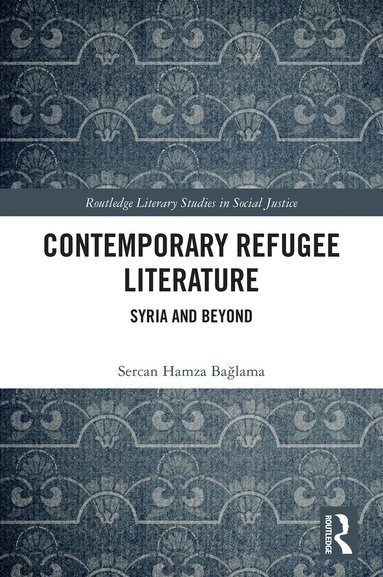
Contemporary Refugee Literature
In the twenty-first century, millions have been forcibly displaced due to ethno-religious conflicts, socio-political instability, and economic crises, turning migration into a global phenomenon.The traumatic realities of refugees - imprisonment, torture, loss, discrimination, and marginalisation - have increasingly become subjects of academic inquiry across multiple disciplines. Literature has also played a crucial role in representing these complexities, and offered fictionalised accounts of refugee experiences before, during, and after migration. This book critically examines contemporary refugee narratives, and highlights their potential to universalise the refugee experience. It argues that while contemporary refugee literature challenges dominant representations and reclaims subjectivity, it is also shaped by the Western literary marketplace, which refashions displacement into marketable narratives of resilience and redemption, tempering its radical potential and framing it within apolitical humanitarian discourse that prioritises empathy over structural critique.The book calls for refugee narratives to resist market-driven expectations and engage in epistemic disobedience, challenging dominant frameworks that dictate how refugee experiences should be represented, understood, and consumed.
Hela bibliografin
Utforska alla Sercan Hamza Bağlamas publicerade verk sorterade efter popularitet.
Upptäck liknande författare
Om du gillar Sercan Hamza Bağlama kommer du förmodligen att uppskatta även dessa författare inom skönlitteratur.
Boktips inom skönlitteratur
Vårens gåtfulla läsning: Dan Browns nya thriller
Upptäck Dan Browns senaste thriller, en gåtfull vårsaga fylld av hemligheter och snabba vändningar.
Påskläsning – Liken vi begravde, en gåtfull berättelse
Upptäck den gåtfulla skönlitteraturen i Liken vi begravde – en påskläsning om död, minne och försoning som berör djupt.
Mörka aprilkvällar blir heta med Hembiträdets hemlighet
När aprilregnet smattrar mot rutan blir Hembiträdets hemlighet en het, gåtfull följeslagare som håller dig vaken hela natten.
Mellan blomsterdoft och stjärnljus – en vårbok
Upptäck Malin Haawinds poetiska debut där vårens blommor möter natthimlens klarhet. En bok som glimmar av hopp och stjärnljus.