Författare
Stephen A. Mitchell
Stephen A. Mitchell är en uppskattad författare inom Skönlitteratur och Psykologi och pedagogik med totalt 6 böcker tillgängliga på Bokkollen, utgivna hos Cornell University Press, University of Pennsylvania Press, WW Norton & Co.
Bland verken finns Old Norse Folklore, som toppar listan över Stephen A. Mitchells populäraste böcker. Verken spänner över skönlitteratur och tilltalar läsare som uppskattar genren.
Letar du efter något nytt att läsa? Prova Relationality – ett annat uppskattat verk av Stephen A. Mitchell.
På Bokkollen gör vi det enkelt att navigera i Stephen A. Mitchells författarskap. Vår databas uppdateras ständigt med nya släpp och format, så oavsett om du söker efter en lättläst pocket för semestern, en lyxig inbunden presentutgåva eller en digital ljudbok för pendlingen, har vi rätt utgåva för dig.
Jämför snabbt och smidigt priser på alla böcker av Stephen A. Mitchell hos Sveriges ledande bokhandlare – som Adlibris, Bokus och Akademibokhandeln – och hitta alltid det bästa erbjudandet utan att betala för mycket.
Old Norse Folklore
The second volume of Old Norse Folklore explores medieval and early modern Nordic magic and witchcraft, covering syncretism, continuity, survival, and the reconstruction of pagan beliefs and cultic practices in this last area of western Europe to be Christianized. This volume not only considers these issues but also pulls back the curtain on more obscure, yet important, corners of Nordic magico-religious tradition.In these chapters, Stephen A. Mitchell draws on materials from many different periods of the vast Nordic world, stretching from Greenland to the Baltic, and examines such diverse witnesses as sagas, judicial records, ballads, synodal statutes, runes, proverbs, church murals, leechbooks, and the language used to discuss magic and its actors. Old Norse Folklore addresses how theology helped to shape the Nordic magical world and how language can reveal this world, how magic was used as a practical matter in (and what it meant philosophically to) the medieval Nordic world, and how inherited traditions between and among the historically connected societies of northern Europe impacted cultural developments in late medieval Scandinavia.
Hela bibliografin
Utforska alla Stephen A. Mitchells publicerade verk sorterade efter popularitet.
Old Norse Folklore
Stephen A. Mitchell
Från 289 kr
Witchcraft and Magic in the Nordic Middle Ages
Stephen A. Mitchell
Från 469 kr
Can Love Last?
Stephen A. Mitchell
Från 193 kr
Relationality
Stephen A. Mitchell
Från 446 kr
Old Norse Folklore
Stephen A. Mitchell
Från 289 kr
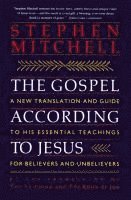
The Gospel According to Jesus
Stephen a Mitchell
Från 339 kr
Upptäck liknande författare
Om du gillar Stephen A. Mitchell kommer du förmodligen att uppskatta även dessa författare inom skönlitteratur.
Boktips inom skönlitteratur
Vårens gåtfulla läsning: Dan Browns nya thriller
Upptäck Dan Browns senaste thriller, en gåtfull vårsaga fylld av hemligheter och snabba vändningar.
Påskläsning – Liken vi begravde, en gåtfull berättelse
Upptäck den gåtfulla skönlitteraturen i Liken vi begravde – en påskläsning om död, minne och försoning som berör djupt.
Mörka aprilkvällar blir heta med Hembiträdets hemlighet
När aprilregnet smattrar mot rutan blir Hembiträdets hemlighet en het, gåtfull följeslagare som håller dig vaken hela natten.
Mellan blomsterdoft och stjärnljus – en vårbok
Upptäck Malin Haawinds poetiska debut där vårens blommor möter natthimlens klarhet. En bok som glimmar av hopp och stjärnljus.