Författare
Stephen Davies
Stephen Davies är en uppskattad författare inom Barn och ungdom och Filosofi och religion med totalt 15 böcker tillgängliga på Bokkollen, utgivna hos Edward Everett Root, Andersen Press Ltd, John Wiley and Sons Ltd.
Bland verken finns Wealth Explosion, som toppar listan över Stephen Daviess populäraste böcker. Verken spänner över ekonomi & ledarskap och tilltalar läsare som uppskattar genren.
Det senast publicerade verket av Stephen Davies är Mythen, Götter und Gladiatoren im Alten Rom, utgivet 2026.
Letar du efter något nytt att läsa? Prova Hilda and the Laughing Merman – ett annat uppskattat verk av Stephen Davies.
På Bokkollen gör vi det enkelt att navigera i Stephen Daviess författarskap. Vår databas uppdateras ständigt med nya släpp och format, så oavsett om du söker efter en lättläst pocket för semestern, en lyxig inbunden presentutgåva eller en digital ljudbok för pendlingen, har vi rätt utgåva för dig.
Jämför snabbt och smidigt priser på alla böcker av Stephen Davies hos Sveriges ledande bokhandlare – som Adlibris, Bokus och Akademibokhandeln – och hitta alltid det bästa erbjudandet utan att betala för mycket.
Wealth Explosion
How did the modern dynamist economy of wealth and opportunity come about? This major new analytical work emphasizes the often surprising, fundamental and continuing processes of innovation and transformation which has produced the world we live in now.Today we live in a social and economic world that is fundamentally different from the one inhabited by our ancestors. The difference between the experience of people living today and that of all of our ancestors back to the advent of agriculture is as great as that between them and their hunter-gatherer forebears.The processes of transformational changes could have started many times in history - but they first became sustained in North-West Europe about 240 years ago. The question of why this happened in that particular place and time is one that has exercised generations of scholars. Thanks to that work we now have a much clearer idea of how and why the traditional world of our ancestors was so different from the modern world that we inhabit.This book builds on that work and gives a new answer to the question of why and how things changed, showing that this unprecedented breakthrough was the result of the way a particular world-historical process worked out in Europe - largely because of contingent and accidental factors.The book also considers the question of what kind of world it is that we now live in - and whether it can continue.
Hela bibliografin
Utforska alla Stephen Daviess publicerade verk sorterade efter popularitet.
Wealth Explosion
Stephen Davies
Från 494 kr
Chessboxer
Stephen Davies
Från 101 kr
Philosophy of Art
Stephen Davies
Från 386 kr
Southeast Asia Cruising Guide Volume II
Stephen Davies
Från 383 kr
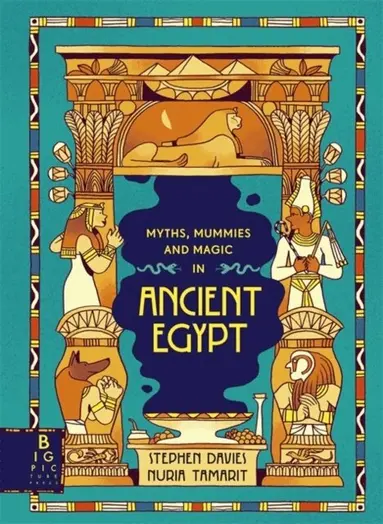
Comic Strip Myths: Myths, Mummies and Magic in Ancient Egypt
Stephen Davies
Från 129 kr
Hilda and the White Woff
Stephen Davies
Från 133 kr
Hilda and the Ghost Ship
Stephen Davies
Från 209 kr
Hilda and the Laughing Merman
Stephen Davies
Från 209 kr
Hilda and the Fairy Village
Stephen Davies
Från 209 kr
Mythen, Götter und Gladiatoren im Alten Rom
Stephen Davies
Från 241 kr
Hilda and the Time Worm
Stephen Davies
Från 209 kr
Hilda and the Faratok Tree
Stephen Davies
Från 219 kr
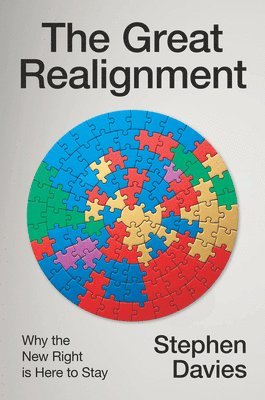
Great Realignment
Stephen Davies
Från 299 kr
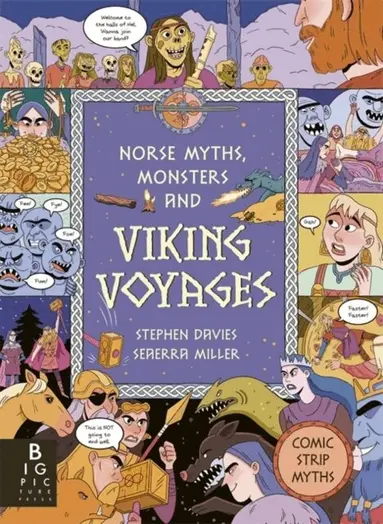
Comic Strip Myths: Norse Myths, Monsters and Viking Voyages
Stephen Davies
Från 199 kr
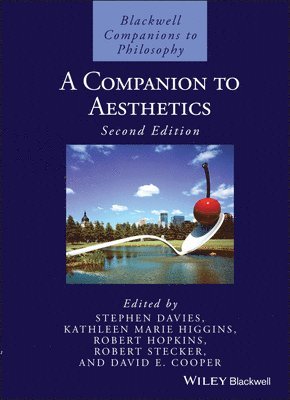
Companion to Aesthetics
Stephen Davies
Från 729 kr
Upptäck liknande författare
Om du gillar Stephen Davies kommer du förmodligen att uppskatta även dessa författare inom ekonomi & ledarskap.