Författare
Stephen Frosh
Stephen Frosh är en uppskattad författare inom Psykologi och pedagogik och Samhälle och politik med totalt 6 böcker tillgängliga på Bokkollen, utgivna hos Springer Nature Switzerland AG, Palgrave Macmillan, Bloomsbury Publishing Plc.
Bland verken finns Those Who Come After, som toppar listan över Stephen Froshs populäraste böcker. Verken spänner över psykologi & pedagogik och tilltalar läsare som uppskattar genren.
Det senast publicerade verket av Stephen Frosh är Antisemitism and Racism, utgivet 2023.
Letar du efter något nytt att läsa? Prova Those Who Come After – ett annat uppskattat verk av Stephen Frosh.
På Bokkollen gör vi det enkelt att navigera i Stephen Froshs författarskap. Vår databas uppdateras ständigt med nya släpp och format, så oavsett om du söker efter en lättläst pocket för semestern, en lyxig inbunden presentutgåva eller en digital ljudbok för pendlingen, har vi rätt utgåva för dig.
Jämför snabbt och smidigt priser på alla böcker av Stephen Frosh hos Sveriges ledande bokhandlare – som Adlibris, Bokus och Akademibokhandeln – och hitta alltid det bästa erbjudandet utan att betala för mycket.
Those Who Come After
This book explores the legacies of suffering in relation to 'those who come after' - the descendants of victims, survivors and perpetrators of traumatic events. It draws on recent discussions of 'postmemory' and 'haunting' that are concerned mainly with the transgenerational impact of personal and social trauma. It examines how we are connected to past events for which we have no direct responsibility yet in which we might in some way be 'implicated' and it asks how we might attain a position of active witnessing that helps resolve the suffering of others. Those Who Come After includes vivid accounts of witnessing from a variety of perspectives, ranging from Biblical and Jewish stories to contemporary art and music. The book draws on psychosocial studies and psychoanalysis to help make sense of this material and to develop an understanding of acknowledgment and responsibility that is both ethical and emancipatory. Those Who Come After will be of great interest to readers in psychosocial studies and psychoanalysis and to all who are concerned with the question of how to put past suffering to rest.
Hela bibliografin
Utforska alla Stephen Froshs publicerade verk sorterade efter popularitet.
Those Who Come After
Stephen Frosh
Från 529 kr
Psychosocial Imaginaries
Stephen Frosh
Från 245 kr
Hauntings: Psychoanalysis and Ghostly Transmissions
Stephen Frosh
Från 314 kr
Antisemitism and Racism
Stephen Frosh
Från 389 kr
Those Who Come After
Stephen Frosh
Från 1 116 kr
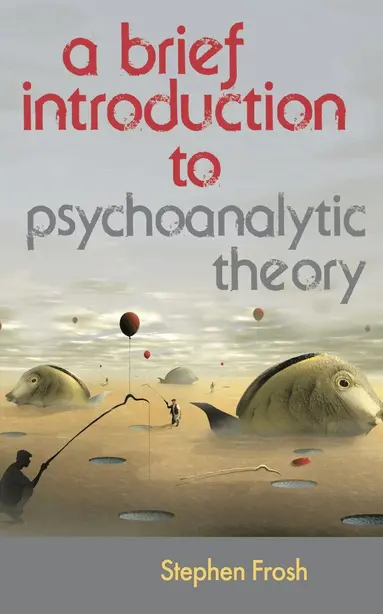
Brief Introduction to Psychoanalytic Theory
Stephen Frosh
Från 659 kr
Upptäck liknande författare
Om du gillar Stephen Frosh kommer du förmodligen att uppskatta även dessa författare inom psykologi & pedagogik.