Språk
sv
Jämför priser
Från 2179 kr
2 179 kr

—

—
Priserna uppdateras löpande från säkra och trygga butiker.
Andra utgåvor
Om boken
How urban waterfront development in the early republic displaced working-class communities, creating lasting patterns of inequality and resistanceIn the early years of American nationhood, civic leaders undertook the construction of thousands of acres of man-made land along urban coastlines-a process known colloquially as "wharfing out," in which landfilled blocks increased a city's surface area by pushing outward into deep water. Workers cleared wetlands and dredged harbors in service of ever-expanding ports and waterfront workspace in cities such as Boston, New York, Philadelphia, and Charleston. But not everyone shared in the benefits of these so-called improvements. Poor and working-class people, many of whom had done the hard labor, became physically displaced and economically dispossessed. Many pushed back against this gentrification, organizing protests and launching reclamation efforts.Drawing on an innovative combination of architectural, social historical, and material culture methods, Kathryn Lasdow is the first scholar to delineate both the gentrification and the contestation of American waterfront landscapes in the early republic. In so doing, she reveals how conflicts over design, development, and access - and over who gets to tell the story of these places today - represent not new phenomena but rather the latest iteration of a centuries-old struggle over who should control the future of urban space in America.
Fler böcker av Kathryn K. Lasdow
Se alla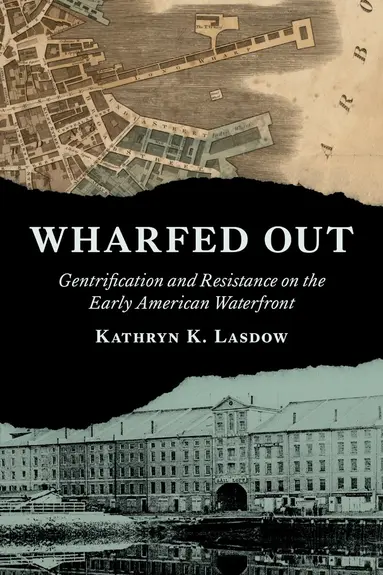
Liknande böcker
Alla i Historia och arkeologiBästa pris2179 kr
Gå till butik