Författare
Peter Sloterdijk
Peter Sloterdijk är en uppskattad författare inom Filosofi och religion och Samhälle och politik med totalt 20 böcker tillgängliga på Bokkollen, utgivna hos Autonomedia, Stanford University Press, Columbia University Press.
Bland verken finns Foams, som toppar listan över Peter Sloterdijks populäraste böcker. Verken spänner över filosofi & religion och tilltalar läsare som uppskattar genren.
Det senast publicerade verket av Peter Sloterdijk är The Terrible Children of Modernity, utgivet 2025.
Letar du efter något nytt att läsa? Prova Zeilen und Tage III – ett annat uppskattat verk av Peter Sloterdijk.
På Bokkollen gör vi det enkelt att navigera i Peter Sloterdijks författarskap. Vår databas uppdateras ständigt med nya släpp och format, så oavsett om du söker efter en lättläst pocket för semestern, en lyxig inbunden presentutgåva eller en digital ljudbok för pendlingen, har vi rätt utgåva för dig.
Jämför snabbt och smidigt priser på alla böcker av Peter Sloterdijk hos Sveriges ledande bokhandlare – som Adlibris, Bokus och Akademibokhandeln – och hitta alltid det bästa erbjudandet utan att betala för mycket.
Foams
The final volume in Peter Sloterdijk's celebrated Spheres trilogy, on the phenomenology of community and its spatial peripheries."So the One Orb has imploded-now the foams are alive."-from FoamsFoams completes Peter Sloterdijk's celebrated Spheres trilogy: his 2,500-page "grand narrative" retelling of the history of humanity, as related through the anthropological concept of the "Sphere." For Sloterdijk, life is a matter of form and, in life, sphere formation and thought are two different labels for the same thing. The trilogy also offers his corrective answer to Martin Heidegger's Being and Time, reformulating it into a lengthy meditation on Being and Space-a shifting of the question of who we are to a more fundamental question of where we are.In this final volume, Sloterdijk's "plural spherology" moves from the historical perspective on humanity of the preceding two volumes to a philosophical theory of our contemporary era, offering a view of life through a multifocal lens. If Bubbles was Sloterdijk's phenomenology of intimacy, and Globes his phenomenology of globalization, Foams could be described as his phenomenology of spatial plurality: how the bubbles that we form in our duality bind together to form what sociological tradition calls "society." Foams is an exploration of capsules, islands, and hothouses that leads to the discovery of the foam city.The Spheres trilogy ultimately presents a theology without a God-a spatial theology that requires no God, whose death therefore need not be of concern.As with the two preceding volumes, Foams can be read on its own or in relation to the rest of the trilogy.
Hela bibliografin
Utforska alla Peter Sloterdijks publicerade verk sorterade efter popularitet.
Foams
Peter Sloterdijk
Från 374 kr
Out of the World
Peter Sloterdijk
Från 277 kr
Art of Philosophy
Peter Sloterdijk
Från 165 kr
Zur Kritik der zynischen Vernunft
Peter Sloterdijk
Från 249 kr
You Must Change Your Life
Peter Sloterdijk
Från 243 kr
Sphären 3. Plurale Sphärologie
Peter Sloterdijk
Från 410 kr
Selected Exaggerations
Peter Sloterdijk
Från 247 kr
Der Kontinent ohne Eigenschaften
Peter Sloterdijk
Från 299 kr
Sphären 1. Blasen
Peter Sloterdijk
Från 380 kr
Globes
Peter Sloterdijk
Från 325 kr
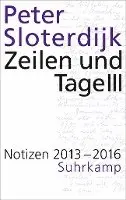
Zeilen und Tage III
Peter Sloterdijk
Från 79 kr
Was geschah im 20. Jahrhundert?
Peter Sloterdijk
Från 156 kr
Die Reue des Prometheus
Peter Sloterdijk
Från 147 kr
In the World Interior of Capital
Peter Sloterdijk
Från 274 kr
The Terrible Children of Modernity
Peter Sloterdijk
Från 287 kr
Bubbles
Peter Sloterdijk
Från 317 kr
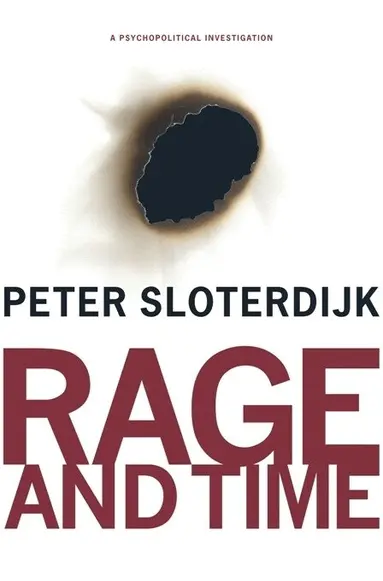
Rage and Time
Peter Sloterdijk
Från 329 kr
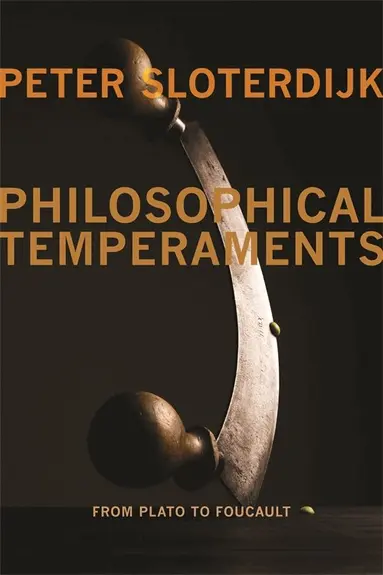
Philosophical Temperaments
Peter Sloterdijk
Från 309 kr
God's Zeal
Peter Sloterdijk
Från 319 kr
What Happened in the Twentieth Century?
Peter Sloterdijk
Från 359 kr
Upptäck liknande författare
Om du gillar Peter Sloterdijk kommer du förmodligen att uppskatta även dessa författare inom filosofi & religion.